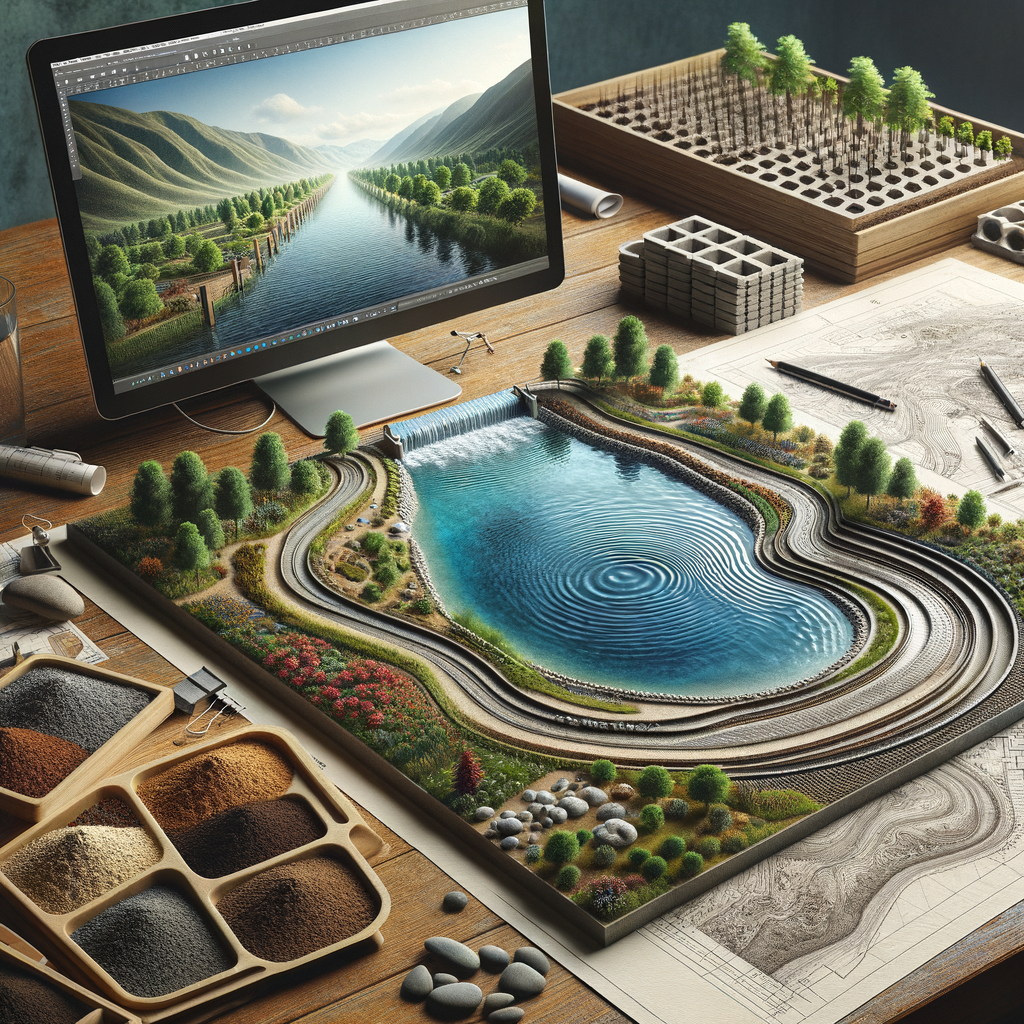
Building Detention Basins and Ponds with MSMAware: A Step-by-Step Guide
In our ever-evolving world, effective water management has become one of the top priorities for environmental preservation and flood control. Among various solutions, detention basins and ponds play a critical role in managing stormwater runoff. This comprehensive guide aims at equipping you with the necessary tools and insights to construct these water bodies effectively using the innovative platform MSMAware.
What are Detention Basins and Ponds?
Detention basins and ponds are engineered structures designed to temporarily hold and manage the flow of stormwater. While they share similar characteristics, understanding their unique roles can help in making informed decisions for your landscape:
- Detention Basins: These are depression areas that temporarily hold stormwater and allow it to gradually release into the ground or drainage systems, preventing flooding.
- Ponds: These are permanent water bodies that can store water all year round, often supporting local wildlife and plants, while also managing stormwater.
Why Use MSMAware for Your Project?
MSMAware is a state-of-the-art platform that combines technological tools with environmental science to provide comprehensive support in managing water resources. Here’s why it’s your best ally:
- Data-Driven Insights: MSMAware offers detailed analyses and predictions on water flow and retention.
- User-Friendly Interface: The intuitive design allows users of all levels— from novices to experts— to navigate its features easily.
- Cost-Effective Solutions: By employing advanced algorithms, MSMAware helps in planning efficient and budget-friendly projects.
- Environmental Compliance: Ensures your projects meet local regulatory standards.
Step-by-Step Guide to Building Detention Basins and Ponds
Preparation is key! Empower yourself with knowledge by following this step-by-step guide:
1. Initial Assessment and Planning
Before diving into construction, consider the following:
- Identify the purpose of your basin or pond.
- Assess the land characteristics such as soil type and topography.
- Consult with environmental experts and obtain necessary permits.
2. Design Your Basin or Pond
Leverage MSMAware’s tools to create a precise design:
- Use the site analysis feature for effective drainage calculations.
- Visualize your site with 3D modeling options to foresee water flow.
- Integrate features that enhance local biodiversity, like native vegetation planting.
3. Construction Phase
Now comes the building! Consider these key steps:
- Excavation: Begin by excavating the designated area, ensuring it aligns with your design.
- Grading: Shape the basin or pond for optimal water flow and capacity.
- Outlet Structures: Install outlet structures to control water release rates.
- Vegetation: Plant native flora to establish an ecosystem that thrives.
4. Maintenance and Monitoring
After construction, your work isn’t done! Regular maintenance is critical:
- Inspect for debris accumulation and remove as necessary.
- Monitor water quality to ensure the ecosystem is balanced.
- Make adjustments based on any significant changes in the surrounding environment.
Embrace the Journey
Building detention basins and ponds isn’t just about engineering; it’s about transformative change. It’s an opportunity to enhance our environment, control flooding, and support local ecosystems. As you embark on your MSMAware journey, remember that every step you take contributes to a greater cause—creating a sustainable future for our planet.
Conclusion
With the right approach and tools, constructing detention basins and ponds can be not only achievable but also empowering. By using MSMAware, you harness data-driven insights, promoting a smarter strategy in stormwater management. So dive into this rewarding adventure and create a lasting impact in your community!