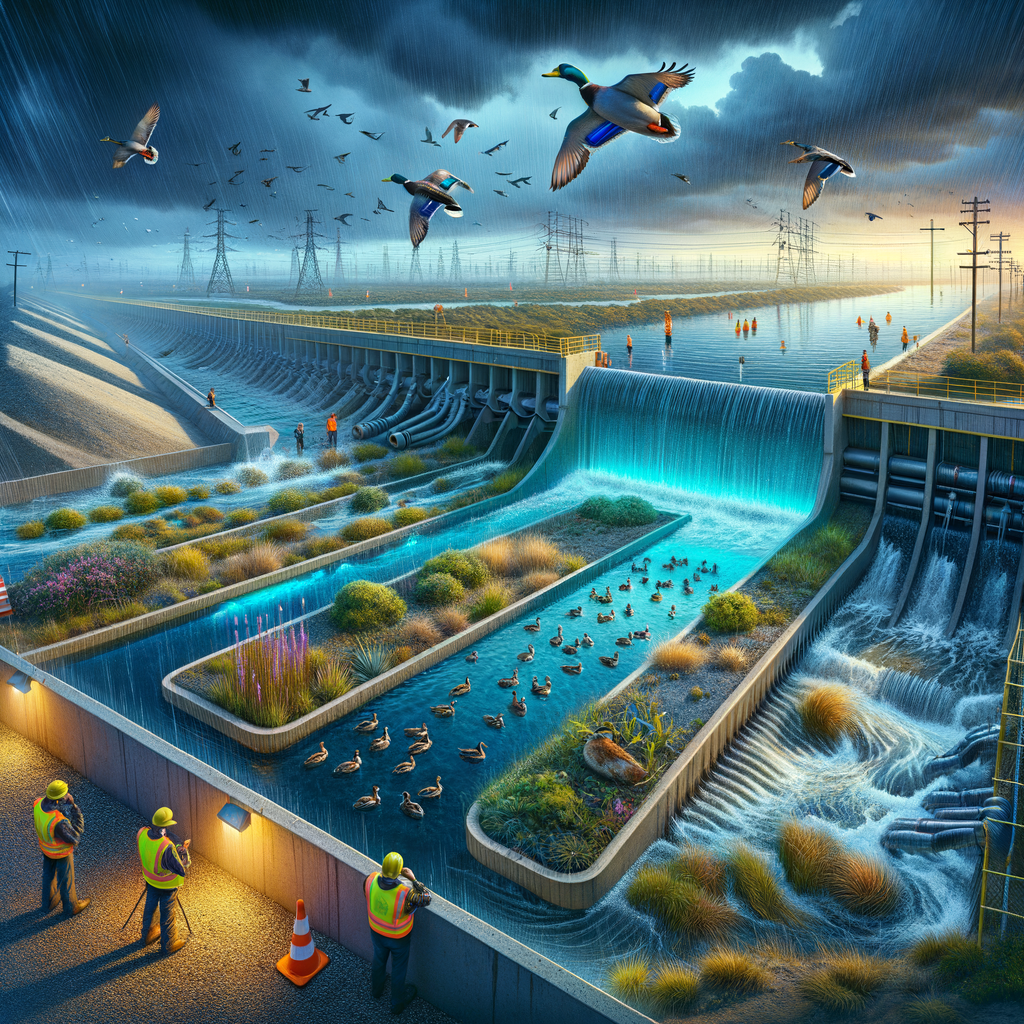
A Comprehensive Guide to Detention Basins in Stormwater Management
In a world increasingly affected by the impacts of climate change and urbanization, effective stormwater management has never been more essential. Among the various strategies employed, detention basins stand out as a vital component. In this blog post, we will delve into the significance, functionality, and best practices surrounding detention basins, illuminating their critical role in sustainable urban development.
Understanding Detention Basins
A detention basin, often referred to as a dry pond or retention basin, is a facility designed to manage stormwater runoff. These systems temporarily hold rainwater and slowly release it, reducing flooding and erosion while enhancing water quality. Let’s break down the integral functions of detention basins:
- Flood Control: By capturing excess rainwater, detention basins prevent overwhelming drainage systems.
- Erosion Prevention: Slowing down water flow helps to protect vulnerable landscapes from erosion.
- Water Quality Improvement: Basins allow sediments and pollutants to settle before the water is discharged into nearby water bodies.
- Groundwater Recharge: Managed release of stored water promotes infiltration and replenishes groundwater supplies.
Types of Detention Basins
Detention basins can vary significantly in design, which affects their efficacy and appropriateness for different situations. Here are the main types:
- Dry Detention Basin: Holds water temporarily and drains completely, ideal for areas without significant groundwater recharge needs.
- Wet Detention Basin: Retains water permanently, creating a habitat for aquatic life and offering better water quality benefits.
- Extended Detention Basin: Combines elements of dry and wet basins, providing temporary detention with some permanent water volume.
Design Considerations for Detention Basins
Effective design is crucial for maximizing the benefits of a detention basin. Here are some essential aspects to consider:
1. Size and Depth
The size and depth of a detention basin must match the expected volume of stormwater runoff from the surrounding area. Typically, a basin should be sized to capture the runoff from a design storm, which is based on historical weather data and anticipated changes due to climate.
2. Location
Strategically positioning a detention basin is vital. It should be placed away from sensitive areas like homes and schools to minimize any potential impacts during heavy rainfall events.
3. Outflow Design
Outflow structures should be designed to control water discharge effectively, avoiding sudden releases that could lead to downstream flooding.
Maintenance of Detention Basins
Regular maintenance is essential to keep detention basins functioning optimally. Here are key maintenance practices:
- Regular Inspections: Check for signs of erosion, sediment buildup, and vegetation health.
- Sediment Removal: Periodically remove accumulated sediments to maintain basin capacity.
- Vegetation Management: Trim or replace vegetation to promote diverse ecosystems while ensuring they don’t obstruct flow.
Conclusion: The Future of Stormwater Management
Detention basins are more than just functional structures; they symbolize a sustainable approach to managing our valuable water resources. As urban environments grow, innovative design and continuous improvement in maintenance practices will ensure that these basins continue to serve their purpose effectively. By investing our efforts in the preservation and maximization of these vital components, we foster a healthier environment and a more resilient future.
Remember, every drop of water we manage wisely contributes to the sustainability of our communities. Let us champion the cause of stormwater management and work together towards a greener future!