Everything You Need to Know About Detention Basin Design in MSMAware
If you’re looking to get into the nitty-gritty of urban stormwater management, then you’ve landed in the right place! Detention basins may not be the most glamorous aspect of civil engineering, but they serve an essential purpose in managing water runoff and minimizing flooding. In this blog post, we’ll explore detention basin design in MSMAware, breaking down concepts, requirements, and best practices. So grab your favorite drink, get comfy, and let’s dive in!
What is a Detention Basin?
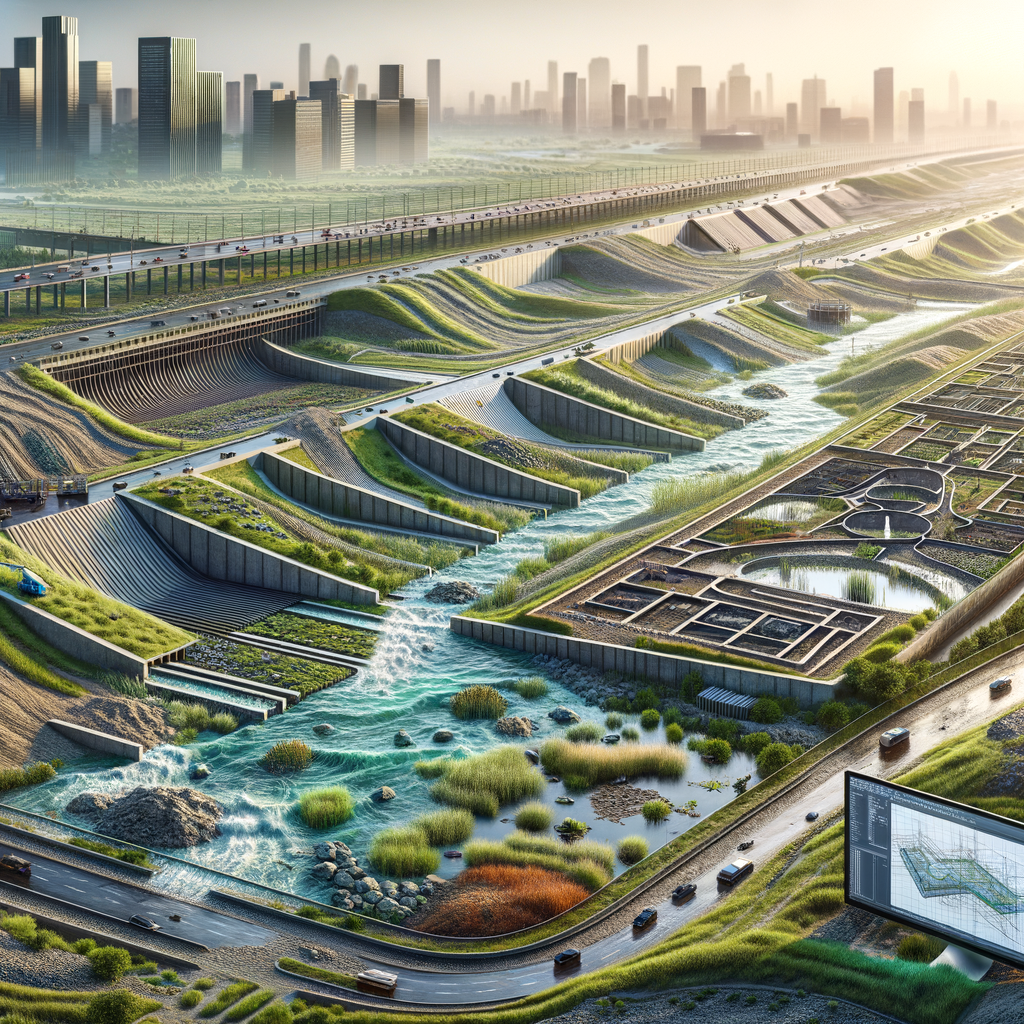
A detention basin, also known as a stormwater detention pond, is a constructed depression designed to temporarily hold runoff water. Its primary function is to control the rate of stormwater release into the environment. By doing this, detention basins mitigate flooding, reduce soil erosion, and protect water quality.
Why are Detention Basins Important?
Detention basins play a vital role in modern urban planning. Here’s why they’re essential:
- Flood Control: They help manage intense rainfall by absorbing excess water, reducing flood risks in nearby areas.
- Water Quality Improvement: By slowing down the flow of water, these basins allow sediment and pollutants to settle rather than flowing directly into waterways.
- Groundwater Recharge: They can also promote groundwater recharge by allowing some water to seep into the ground.
- Habitat Creation: Properly designed basins can become habitats for various wildlife.
Key Design Principles for Detention Basins
Designing an effective detention basin requires attention to various factors, including:
- Hydrology Analysis: This involves understanding water flow patterns, precipitation data, and upstream drainage areas.
Tip: Use historical data and predictive modeling tools for greater accuracy. - Basin Size and Depth: The size should be adequate to hold the expected runoff volume. The depth generally depends on local regulations, typically ranging from 2 to 10 feet.
Formula: Volume = Rainfall depth x Watershed area. - Outlet Design: Proper outlet structures are vital to ensure controlled release of water, preventing sudden flooding downstream.
Types: Weirs, pipes, or combination systems. - Landscaping: Native vegetation can enhance water quality and provide aesthetic value. Choose plants that can withstand wet conditions!
MSMAware: A Tool for Detention Basin Design
MSMAware is a sophisticated software tool designed to streamline the design process of detention basins. Here’s how it can help:
Key Features of MSMAware
- User-Friendly Interface: Easy navigation ensures quick access to different design components.
- Automated Calculations: Saves time by performing complex hydrology analyses automatically.
- Regulatory Compliance: Helps ensure designs meet local and federal regulations.
- Customizable Templates: Pre-set design templates that can be adjusted based on project requirements.
Practical Examples and Case Studies
Let’s make it real! Here are a couple of case studies that highlight successful detention basin designs:
Case Study 1: Greenfield Park Detention Basin
This basin was designed to handle peak runoff from a nearby residential area. Key features included:
- Size: 5 acres
- Depth: 4 feet
- Vegetation: Native grasses and shrubs that promote biodiversity
Results: Significant reduction in flooding incidents and improved water quality in the adjacent creek.
Case Study 2: Downtown Revitalization Project
A new detention basin was integrated into a downtown redevelopment, offering both functionality and beauty.
- Size: 3 acres
- Aesthetics: Designed with walking paths and picnic areas.
- Wildlife: Attractions for local bird species, enhancing urban ecology.
Results: Successful dual purpose of stormwater management and community engagement.
Conclusion
Understanding the ins and outs of detention basin design in MSMAware is crucial for anyone involved in urban planning, environmental engineering, or sustainability initiatives. By embracing this knowledge, you’re not just ticking boxes; you’re actively contributing to a safer, cleaner, and more sustainable environment. So whether you’re a seasoned engineer or just a curious mind, we hope this guide has shed some light on the world of detention basins. Happy designing!